Key Differences Between House Paints
When starting a painting project, understanding the various types of paints available is fundamental. These paints differ significantly in composition, finish, and intended application, making it essential to choose the right type for the specific needs of each project. Broadly, house paints can be classified into water-based (latex) and oil-based paints, each with unique properties and benefits.
Water-based paints, commonly known as latex paints, are favored for their ease of use and quick drying times. They are composed of water and acrylic or vinyl resins. Latex paints are known for their low odor, reduced volatile organic compounds (VOCs), and ease of cleanup with soap and water. Additionally, latex paints are highly versatile, offering a range of finishes from matte to high-gloss, and are suitable for most surfaces, including walls and ceilings. They perform exceptionally well in high-moisture areas like bathrooms and kitchens due to their resistance to mildew and mold.
In contrast, oil-based paints are composed of natural or synthetic oils and offer a durable, long-lasting finish. They are known for their superior adhesion and ability to cover stains and imperfections effectively. Oil-based paints are often chosen for high-traffic areas or exterior applications due to their robust nature. However, they do emit higher levels of VOCs, require solvents for cleanup, and have longer drying times compared to latex paints. Most oil based paints are now illegal to purchase in New York State.
Specialty paints also play a critical role in house painting. Anti-microbial paints, for instance, are formulated to inhibit the growth of bacteria and fungi, making them suitable for environments that demand stringent standards. Fire-resistant paints, on the other hand, are designed to delay the spread of flames, providing additional safety in residential and commercial buildings.
Choosing the appropriate paint type is vital for the longevity and aesthetic appeal of a project. Each paint performs differently in varied environments, and selecting the right one ensures the durability and beauty of the painted surfaces.
What’s the difference between vinyl, latex, and acrylic paint?
Here’s the difference:
- Vinyl paint is the cheapest. It’s common in builder-grade or discount brands. It doesn’t stick well and tends to crack on plaster or older drywall. Also doesnt hold up well outside.
- Latex paint just means it’s water-based. Some latex paints are okay, but it depends on the resin — often it’s a blend of vinyl and acrylic.
- 100% acrylic paint is the good stuff. It’s flexible, breathable, and bonds properly to old plaster, wood trim, ceilings, and even problem surfaces. That’s what we use.
We use 100% acrylic paint because it holds up to Buffalo humidity, seasonal movement, and gives our clients years of clean, trouble-free walls and ceilings. – Carrigan Painting’s Materials and Methods
🎨 What’s the Difference?
| Type | Resin Base | Durability | Flexibility | Washability | Common Uses |
|---|---|---|---|---|---|
| Vinyl | Vinyl acrylic | 🟡 Fair | 🔴 Poor | 🔴 Poor | Cheap builder-grade wall paint |
| Latex | Usually vinyl or acrylic-based | 🟡 Good (depends) | 🟡 Okay | 🟡 Good | General wall paint; low VOC interior jobs |
| 100% Acrylic | Acrylic resin | 🟢 Excellent | 🟢 Excellent | 🟢 Excellent | Exterior, ceilings, trim, bathrooms, siding |
The Importance of Prep Work Prior to Painting
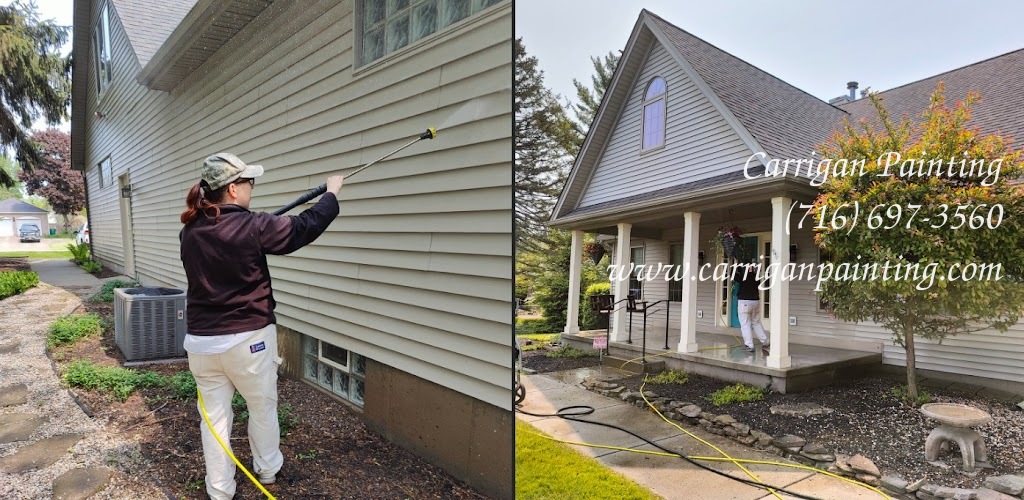
Proper surface preparation is paramount to achieving a high-quality, long-lasting paint job. This process begins with a thorough cleaning of the surface, which removes dirt, grease, mold, and any loose paint. For exterior surfaces, this may involve power washing, while interior surfaces might require a simple scrub with magic rags.
Once cleaned, sanding the surface is the next critical step. Sanding helps to smooth out any imperfections, providing a uniform surface for the paint to adhere to. It is particularly important for glossy surfaces, which need to be dulled to ensure proper paint adhesion. Sanding creates a better mechanical bond between the new coating and existing substrate.
Repairing damage is equally essential, as cracks, holes, and other damage needs to be filled or patched. For exterior projects, this may include repairing damaged wood or stucco, while for interiors, it could involve filling nail holes or fixing walls or ceilings.
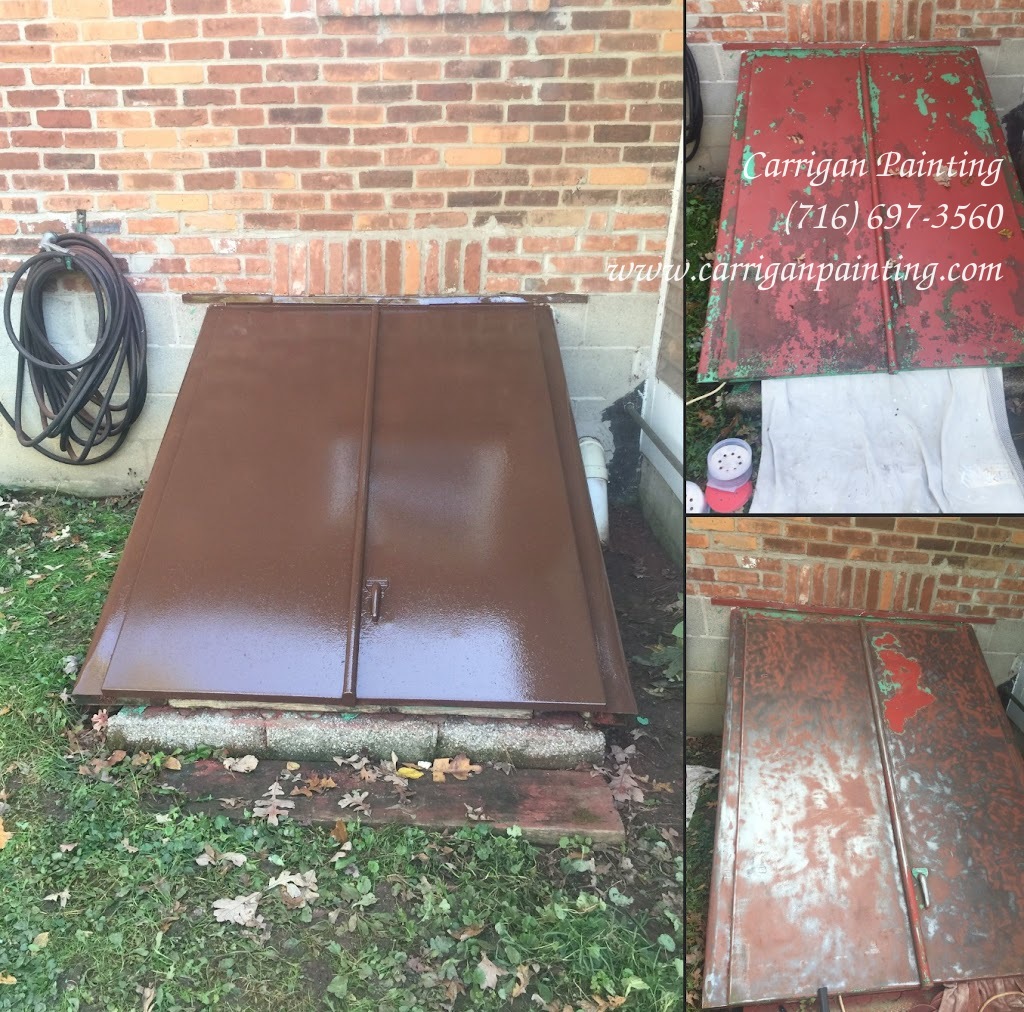 The impact of thorough prep work on the final outcome cannot be overstated. A well-prepared surface ensures a smoother application, better paint adhesion, and ultimately, a more durable finish. Common mistakes, such as skipping cleaning or inadequate sanding, can lead to peeling, blistering, or uneven coverage, which diminishes the aesthetic and protective qualities of the paint.
To assess the condition of existing surfaces, one should inspect for signs of peeling paint, mildew, chalking, or structural damage. The level of preparation required will vary based on the surface’s condition; severely deteriorated areas will necessitate more intensive prep work. For both interior and exterior projects, it is advisable to consult with professional house painters who can evaluate the preparation needs accurately. Investing in proper prep work is essential for achieving a superior and enduring paint job.
Challenges in Acquiring Tools and Equipment
The successful completion of a painting project hinges not only on the choice of paint but also on having the right tools and equipment at your disposal. Whether you are an experienced painting contractor or a homeowner attempting a DIY project, acquiring the right tools is essential for achieving a professional finish. The common tools are readily available. However, sourcing equipment can present various challenges, particularly for specialized or large-scale projects.
The decision to rent or purchase tools is another significant consideration. Renting can be a cost-effective solution, especially for those who do not regularly undertake large painting projects. Rental services often provide access to high-end equipment that might be prohibitively expensive to purchase outright.
Specialized Skills for Plaster and Drywall Repairs
Before embarking on any painting project, it is crucial to address underlying issues with plaster and drywall surfaces. These substrates commonly face problems such as cracks, holes, and water damage, which can compromise the final aesthetic and structural integrity if not properly repaired.
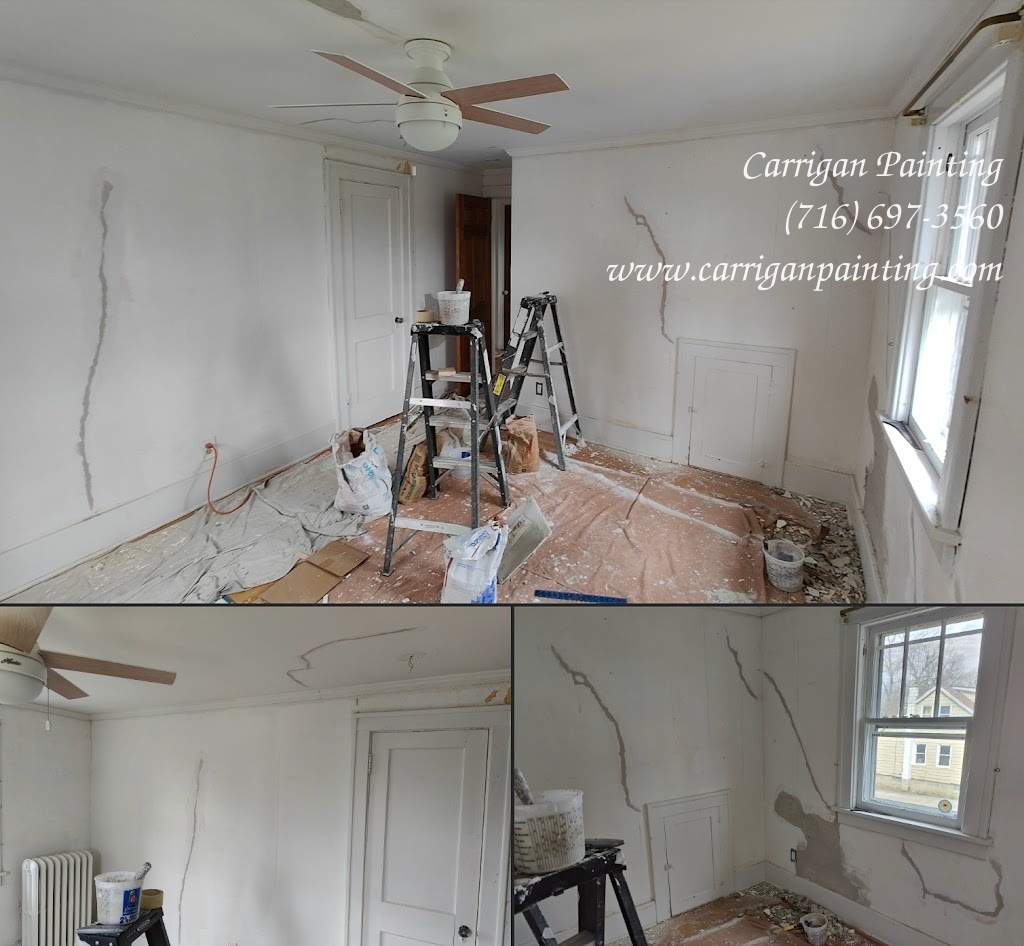
Cracks in plaster or drywall often result from settling foundations or temperature fluctuations. Holes, particularly those caused by nails or accidents, require a different approach. Small holes can be filled with spackle, a lightweight repair compound, while larger holes might necessitate a patch. For drywall, this involves cutting out a square around the damaged area, inserting a new piece of drywall, and securing it with nails or screws and then finishing with joint tape and compound. Plaster repair presents unique challenges due to the lack of binders in plaster making it difficult if not impossible for most to repair using traditional plastering techniques. As a result, most people will repair plaster with drywall due to lack of skill of properly repairing this historic substrate.
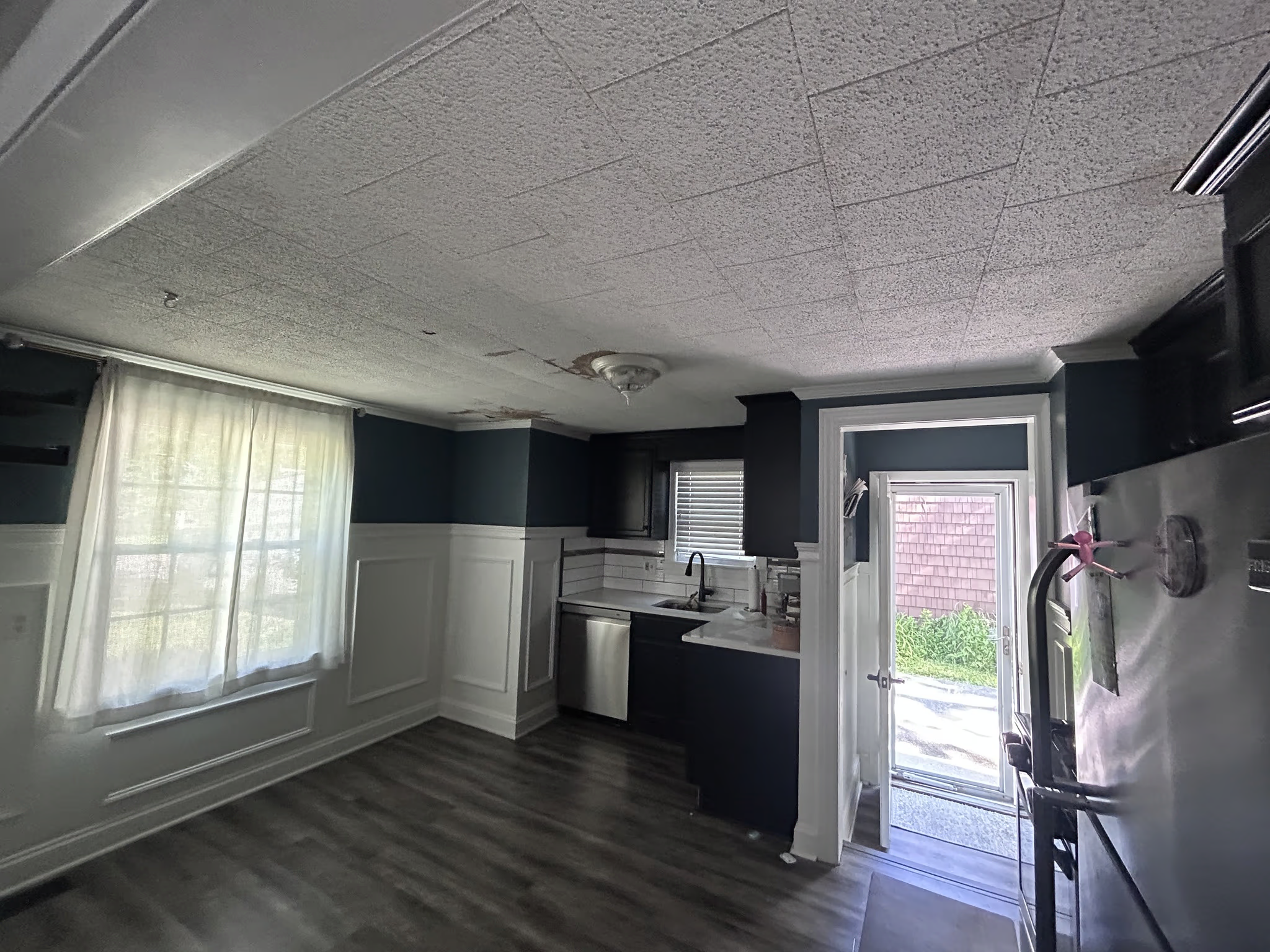
Water damage is another common issue that needs careful attention. Water-stained or weakened drywall must be dried thoroughly before any repair work can commence. In severe cases, replacing the damaged section is the best course of action. With water damaged drywall, what you see is generally the extent of the damage, however with plaster the damage can be substantially more involved and requires a trained eye and ear to properly estimate just how big it will get. And even then we sometimes mis-calculate the extent of the damage. Water damaged plaster will often de-laminate between the basecoat and finish coat over a much larger area than what appears on the surface.
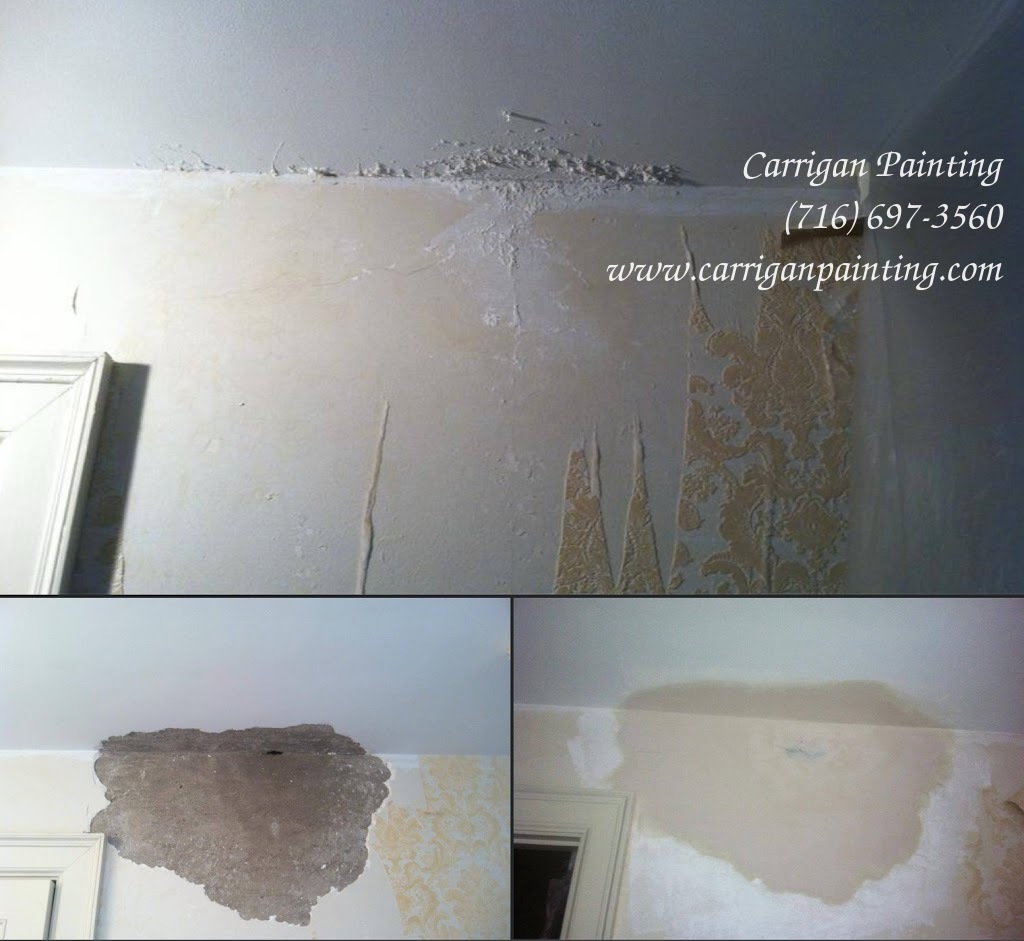
Mastering these repair skills is not only essential for achieving a flawless finish but also for maintaining the integrity of the surfaces. DIY enthusiasts can handle minor repairs with the right tools and materials, but for extensive damage or intricate repairs, it is advisable to seek professional assistance from Carrigan Painting, we can ensure that the final result is both aesthetically pleasing and structurally sound.
The Role of Primers in Interior and Exterior Painting
Primers play a crucial role in both interior and exterior painting projects, serving as the foundation upon which a successful paint job is built. Primers are specially formulated substances applied before the topcoat of paint, and they offer multiple benefits that enhance the overall quality and longevity of the finished surface.
One of the primary functions of primers is to improve paint adhesion. By providing a uniform surface, primers ensure that the topcoat sticks better, reducing the likelihood of peeling or flaking over time. This is particularly important for exterior house paints, which must contend with varying weather conditions that can affect paint performance. For interior house paints, primers help in creating a smooth base that allows for even paint application.
Different types of primers are available to address specific needs. Stain-blocking primers are designed to cover up existing stains, such as watermarks, smoke damage, or tannin bleed from wood. These primers prevent stains from seeping through the topcoat, ensuring a clean and pristine appearance. Bonding primers are essential for surfaces that are glossy, slick, or hard to adhere to, such as glass, tile, or certain plastics. They chemically bond with the substrate, providing a reliable base for the paint. Sealing primers are used to seal porous surfaces like new drywall or bare wood, preventing the substrate from absorbing too much paint, which can lead to an uneven finish and higher paint consumption.
Besides improving adhesion and blocking stains, primers also enhance paint coverage and durability. They create a consistent surface that allows the topcoat to be applied more evenly, often reducing the number of coats needed. Additionally, primers can protect substrates from moisture and other environmental factors, extending the life of the paint job.
When selecting a primer, it is crucial to consider the type of substrate and the conditions it will be exposed to. For instance, an exterior bonding primer is ideal for surfaces that endure harsh weather, while an interior stain-blocking primer is perfect for walls with significant staining. Overall, the use of primers in painting projects cannot be overstated. Oil and shellac primers are superior to waterborne primers however often have an offensive odor. When it comes to new plaster patches, oil primer is currently the only option for plaster patches that are less than 30 days old. We have tried every shellac primer on the market, and none will stick to new plaster, regardless of what it states on the can! Drywall patches do not have this problem.
Good luck!