This article documents our first-hand experience using a new variation of a primer we used regularly in plaster and ceiling restoration, including observed differences compared to previous formulations.
We have used oil base primers forever with the restoration work we are often involved in. Using real plaster to do plaster repairs, always requires an oil base primer, prior to painting. Has to do with the alkalinity of the lime in the plaster, as well as any water stains that can appear around a new patch. We used to use Kilz Original, but that product is nothing like the original from the 1990’s. The VOC’s in that primer, often lead to “out of body” experiences for painters, especially when used in small confined spaces like bathrooms. The early versions of ProBlock HS oil used to have similar effects.
We have tried various shellac-based primers in the past. In multiple cases, the primer bubbled, blistered, and peeled when applied to plaster less than 30 days old, sometimes within minutes or hours of application.
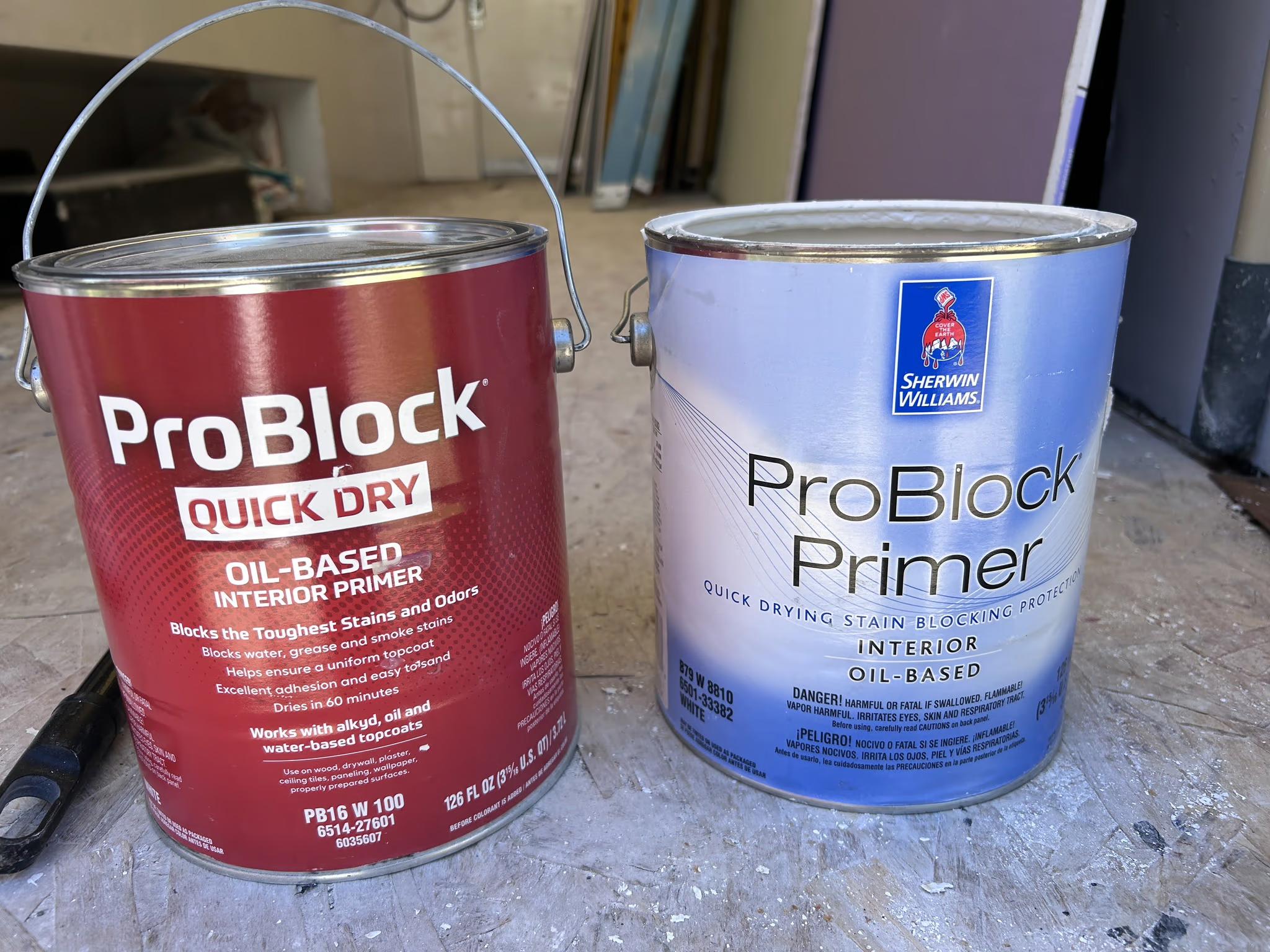
So, for the last 15 years, our go to oil primer for interior use, has been Sherwin Williams Problock HS Interior Oil in the light blue can (MSDS PDF). That product has changed a lot over the years. It used to be almost as bad as old school Kilz, however has become much milder in recent years- It mellowed out in it’s old age.
In July of 2022, New York State made it impossible to acquire oil base paints and primers in gallons. So we have to make a trips out of state to buy the primer we need to do our job.
ProBlock Quick Dry Oil
Even when a product retains a nearly identical name and comparable published specs, changes in compliance listings such as CARB, SCAQMD, or MPI references can point to meaningful formulation differences. In our case, the differences in dry time, odor, overspray, and early film strength strongly suggest a change in how the coating flashes, penetrates, and bonds with the substrate.
That aligns with the possibility that the newer version was reformulated for lower odor and New York State compliance, while the older ProBlock HS Oil used a more aggressive solvent and resin system that provided deeper penetration into difficult substrates such as new plaster.
| Category | Legacy ProBlock HS Oil | Current Red Label ProBlock Oil |
|---|---|---|
| Dry-to-touch time | ~10 minutes (fast flash) | ~60 minutes |
| Odor / solvent strength | Strong, overbearing | mild odor |
| Overspray / atomization | A LOT of overspray | very minimal overspray |
| Early film strength | Strong immediate bite | Softer early film build |
| Plaster adhesion behavior | Excellent | Isolated lift and peal observed |
| Regulatory listings (reported) | Broader CARB/SCAQMD/MPI presence | Reduced / inconsistent listings |
| New York State Compliant | No | Yes |
Some Sherwin Williams employees state that the new ProBlock Quick Dry Oil is the same product with a new label. However, we have more than 100 documented ceiling repairs and plaster/drywall restoration work, using the old ProBlock HS Oil without experiencing this type of adhesion issue. The first time using the new ProBlock Quick Dry Oil, we have a problem on 29 day old plaster under conditions where the previous product historically performed without a problem. Because of this problem, delayed finishing of the job.
To us, that suggests more than a simple label change.
Testing ProBlock Quick Dry on New Plaster
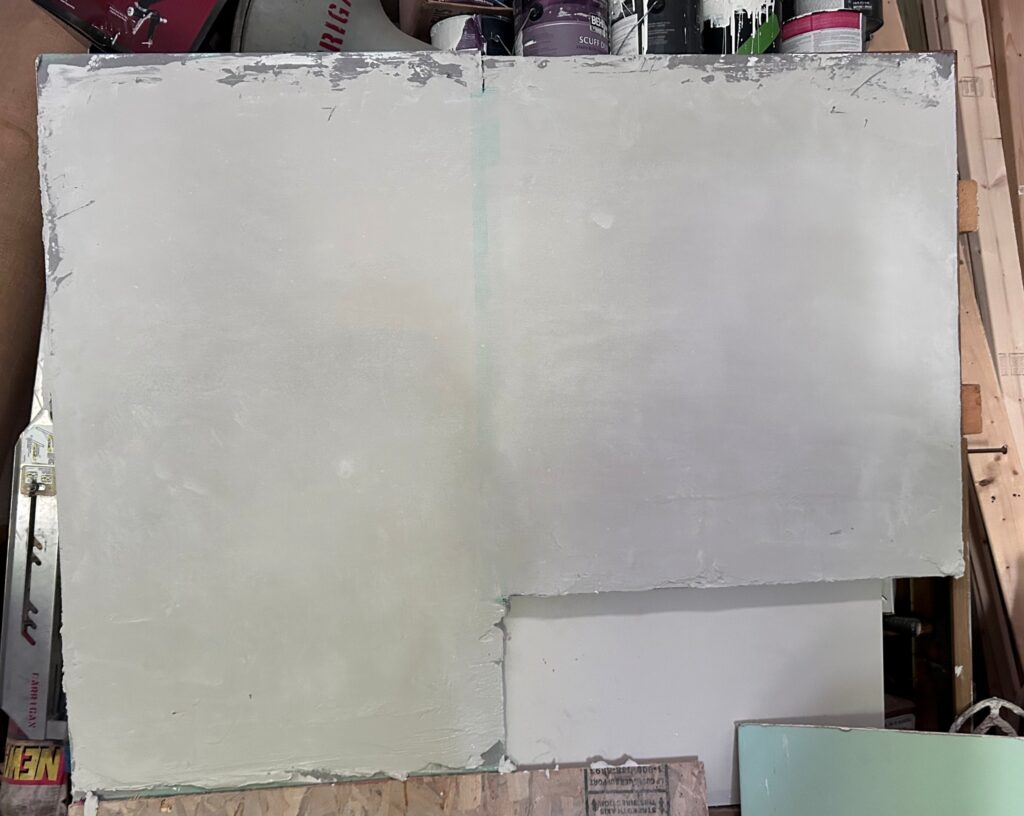
Because this change could negatively affect our plaster and drywall repairs going forward, I have decided to test out the new ProBlock Quick Dry oil base on Lime and Plaster of Paris in our shop, to see what happens on new plaster. I will update this article, when I have the results.
PPG SealGrip Alkyd Primer
Back in May 2024 (Almost exactly 2 years ago) we tried PPG’s new Seal Grip Interior/Exterior alkyd primer which is also New York State compliant. That was a terrible experience.
Our fall back is Sherwin Williams Extreme Block Alkyd. Better stock up since who knows when they will discontinue that as well!



Related case studies:
- Plaster Restoration and Swirl Ceiling Repair – Phase II of IISomething I noticed in the middle of the patch was an area that looked wierd after priming. Almost like alligator paint under a window, but not quite. While waiting for the primer to dry…
- Why we no longer use Sherwin Williams Paint We used Sherwin Williams paints almost exclusively from 2010 – 2022. In 2021, we began noticing a marked change in product quality from Sherwin Williams.…
- 5 Reasons Why You Shouldn’t Paint Below 50°F When planning an exterior painting project in Western New York, it’s essential to consider the weather, particularly the overnight temperatures….
- The Unique History of Residential Plaster in Buffalo NY Buffalo’s housing stock tells a story if you know where to look. Beneath layers of paint and wallpaper, many homes…
- Trying out PPG’s new NYS Compliant Oil Primer: SEAL GRIP Interior/Exterior Universal Alkyd We weren’t originally going to prime the ceiling, however we decided to just do it as it would make for a better job. This also gave us the perfect opportunity to try out …
Problem > Solution > Results
Carrigan Painting
716-697-3560

About the Author
Dave Carrigan Jr is the owner & founder of Carrigan Painting, a residential painting and ceiling restoration company based in Western New York. With over 25 years of hands-on experience in interior painting, traditional plaster repair, and ceiling restoration, he specializes in diagnosing and correcting failures in older plaster homes using field-tested methods rather than theoretical product assumptions. His work focuses on high-detail restoration projects where substrate condition, material compatibility, and long-term performance are critical.