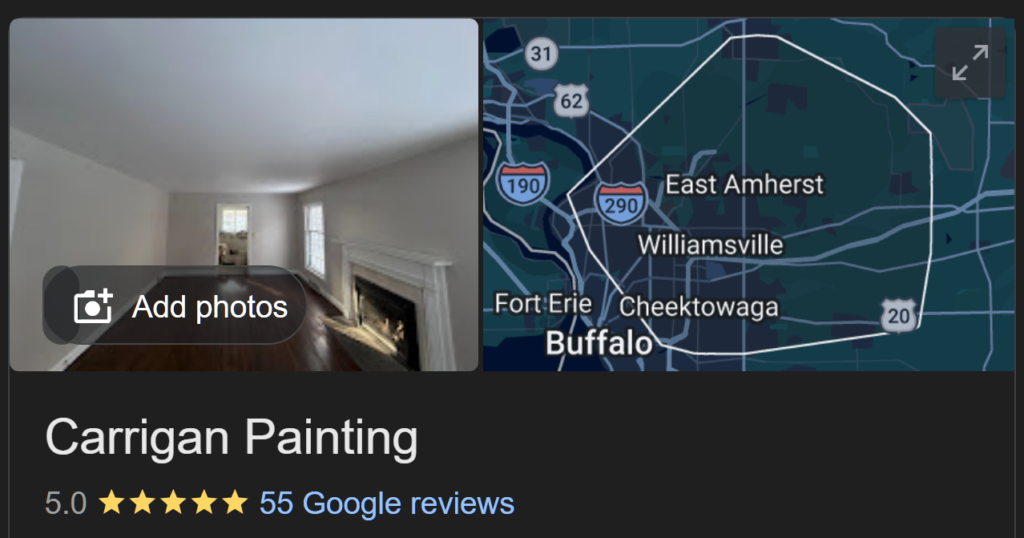
Online reviews are the lifeblood of small businesses today. They can make or break a company and give consumers a powerful way to leverage positive experiences. Studies show that unhappy customers are far more likely to leave a negative review than satisfied ones, which means small businesses constantly face a challenge: encouraging positive feedback.
Even happy clients often don’t leave a review. In our experience at Carrigan Painting, only about 20% of clients follow through, meaning 8 out of 10 satisfied customers never post feedback. Research suggests this is a common threshold across industries.
Paid Reviews: The Shortcut Some Businesses Take
There’s no fixed number of Google reviews required to appear in Google’s Map Pack. However, businesses that tend to rank in the top three often have several dozen positive, recent reviews, and their profiles often outperform local competitors in both review volume and consistency.
Google explicitly forbids paid reviews, but some companies take the risk. Review velocity also matters: larger companies with multiple crews naturally receive more reviews than small, specialized operations.
At Carrigan Painting, all our reviews are organic. Over 16+ years, we’ve built our reputation the hard way, and using fake reviews would discredit everything we’ve worked for.
How to Spot a Fake Review for Local Home Services
1. Unrealistic Volume
- Fake: 20+ reviews appear in a single week, then none for months.
- Real: Reviews trickle in gradually, tied to actual completed jobs.
- Why it matters: Small local businesses simply cannot serve that many clients in one week.
2. Burst-and-Dormant Pattern
- Fake: Sudden spike followed by long silence.
- Real: Steady growth over months and years, with occasional weeks posting 0–3 reviews.
- Tip: Look at the timeline, natural reviews often follow a rhythm matching workload and project type.
3. Reviewer Profile Red Flags
- Generic accounts (no photo, few reviews, unrelated locations).
- Multiple reviews appear at the same time from newly created accounts.
4. Language Consistency
- Fake: Identical phrasing, repetitive keywords, vague praise.
- Real: Specific job details, different sentence structures, typos.
- Example:
- Fake: “Highly recommend, professional and efficient.”
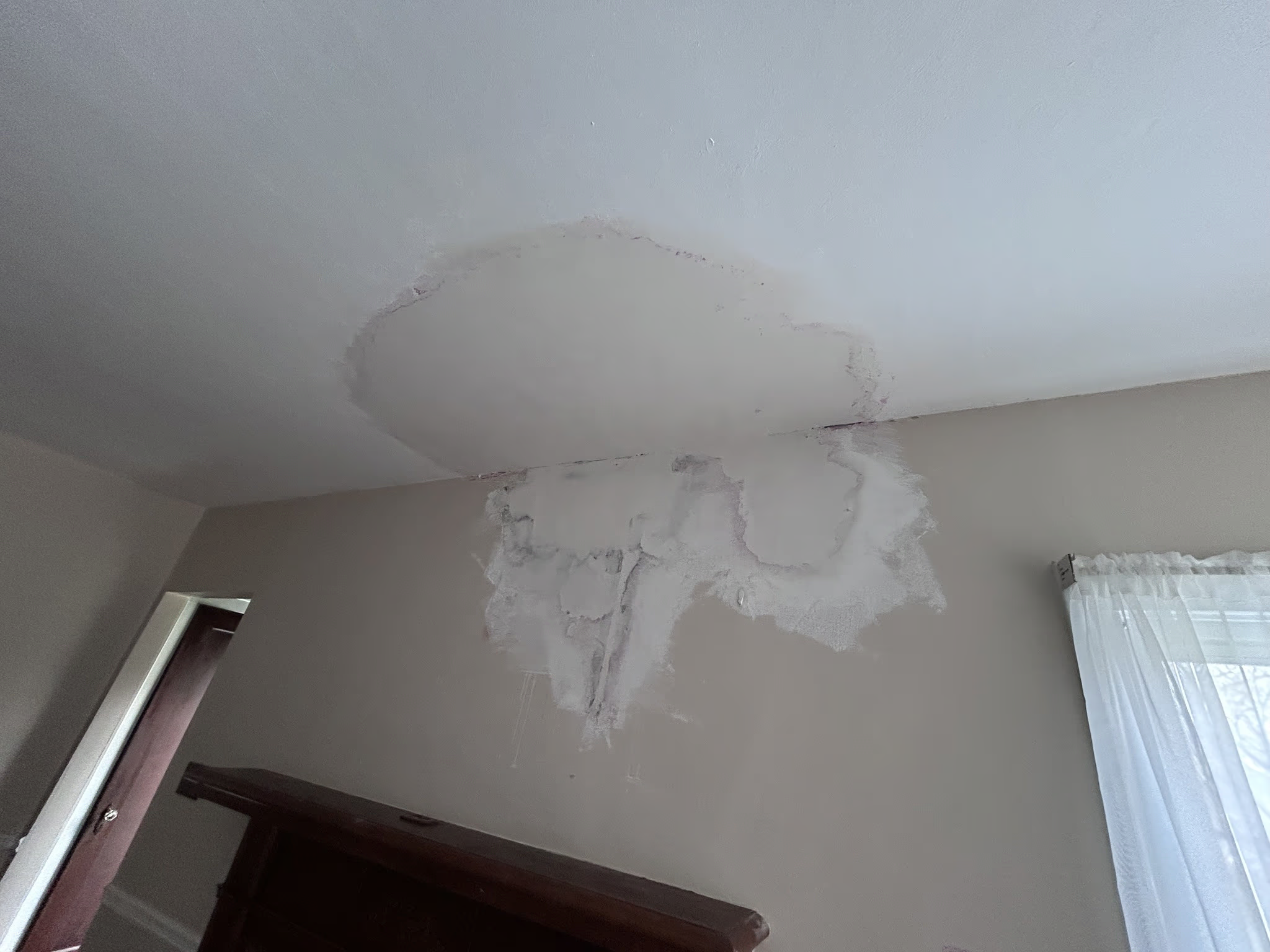
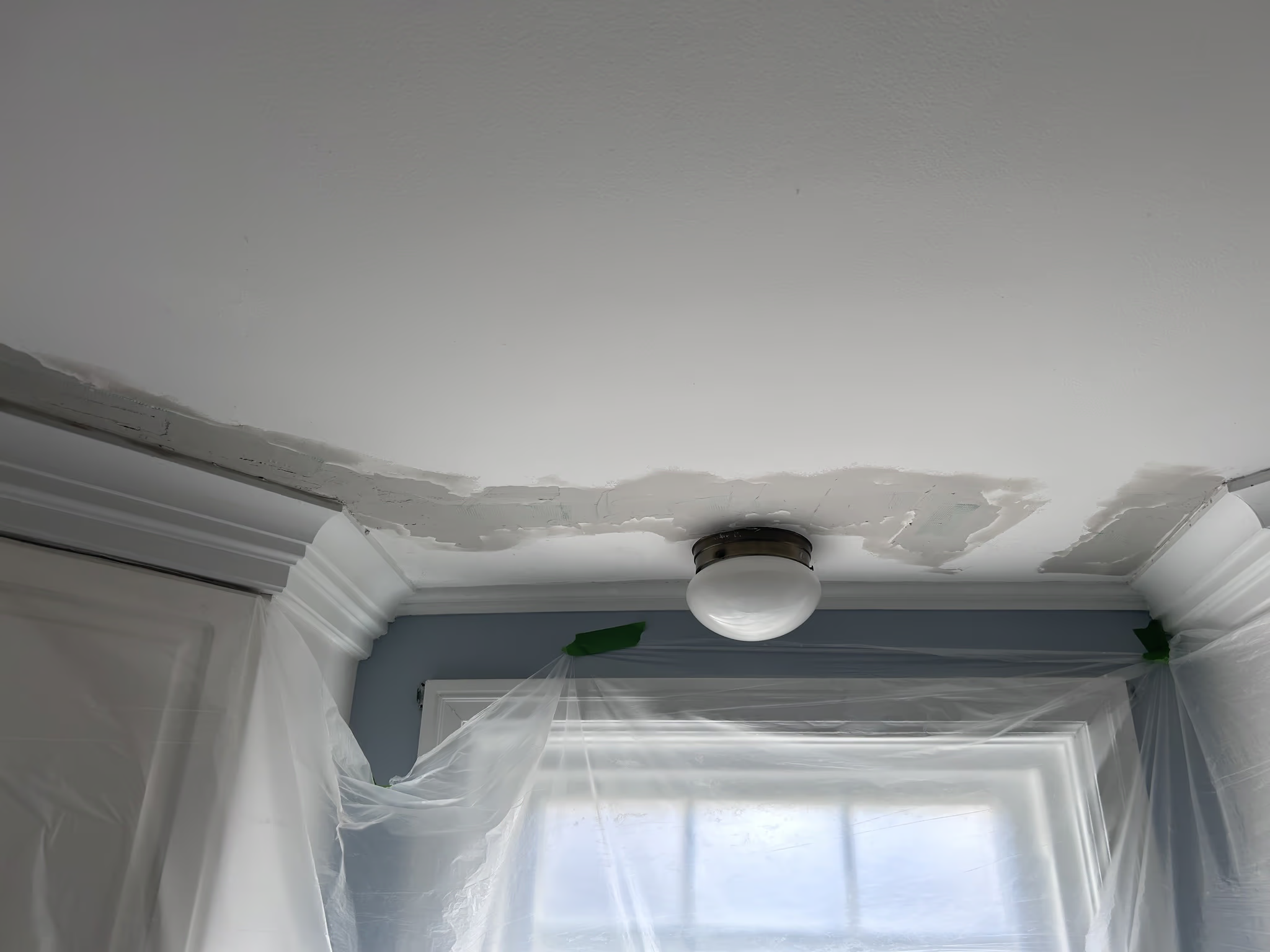
- Real: “Amazing work on plaster repairs and painting in our entry hall. We have an older home with a large curved ceiling, and Carrigan were the only people we trusted to actually repair the plaster.”
5. Lack of Job-Specific Detail
- Fake: No mention of rooms, materials, or project type.
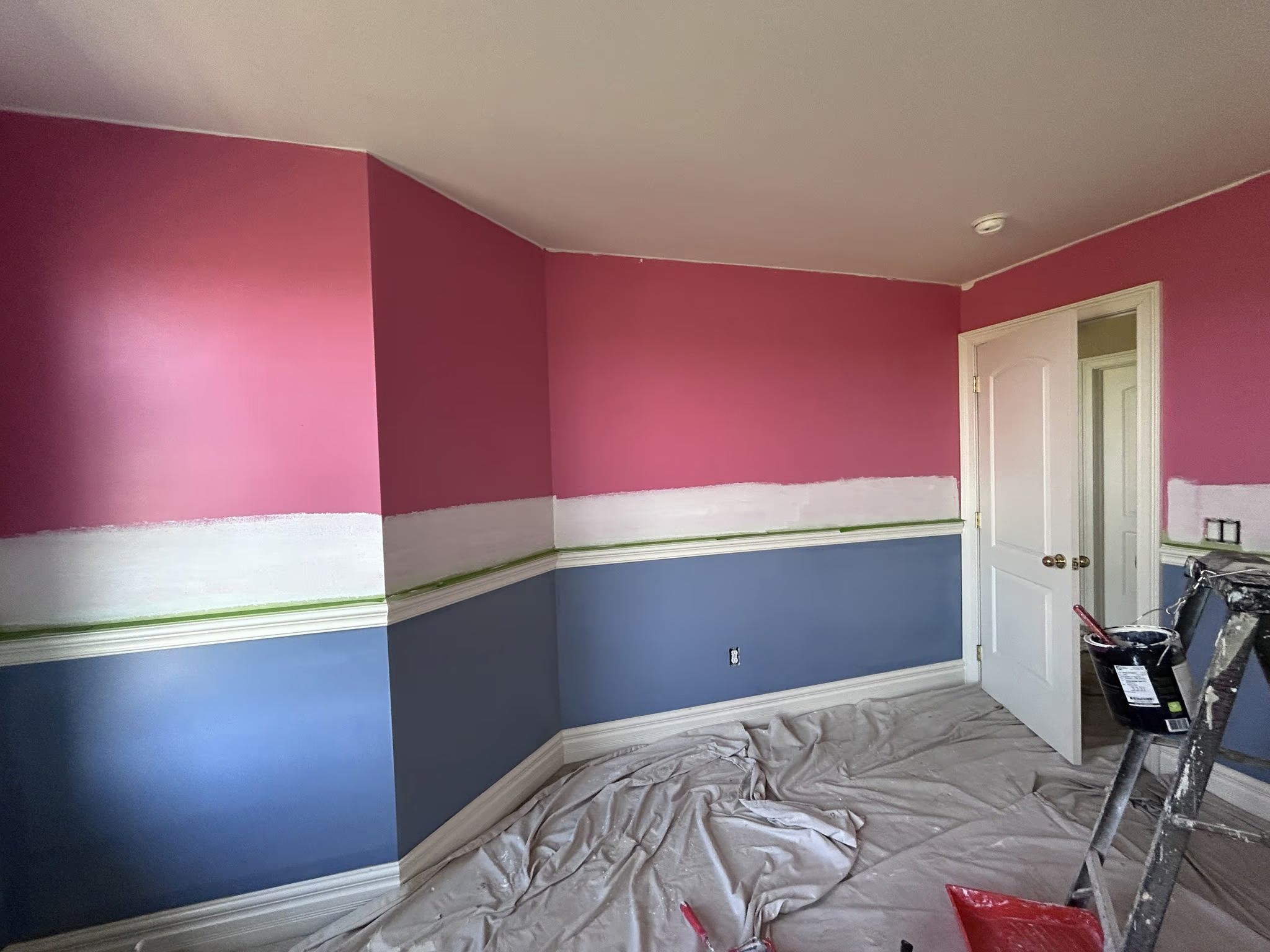
- Real: Includes room type, type of repair, materials, timeline, or problem solved.
Key Takeaway
Real reviews reflect steady, organic growth and specific job experience. Fake reviews try to appear flawless, but patterns like bursting 20 in a week then trickles are statistically impossible for small local businesses.
For homeowners, learning to spot these patterns ensures you rely on trustworthy feedback when hiring local contractors, so you get the quality and expertise you expect.
March 2026