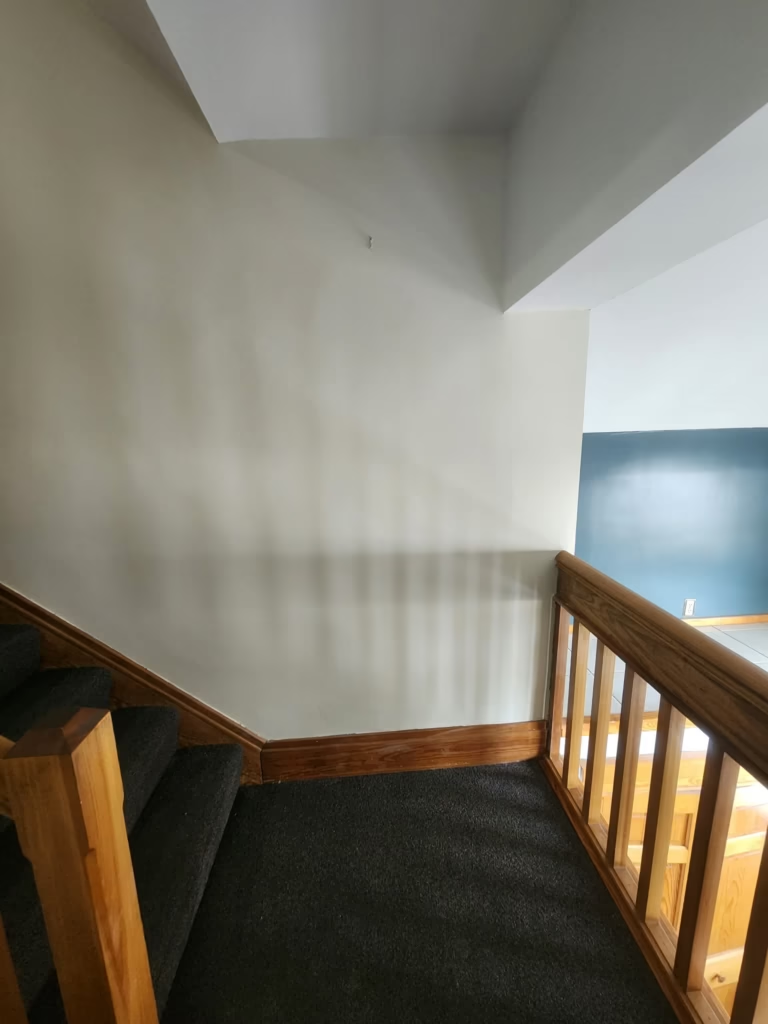
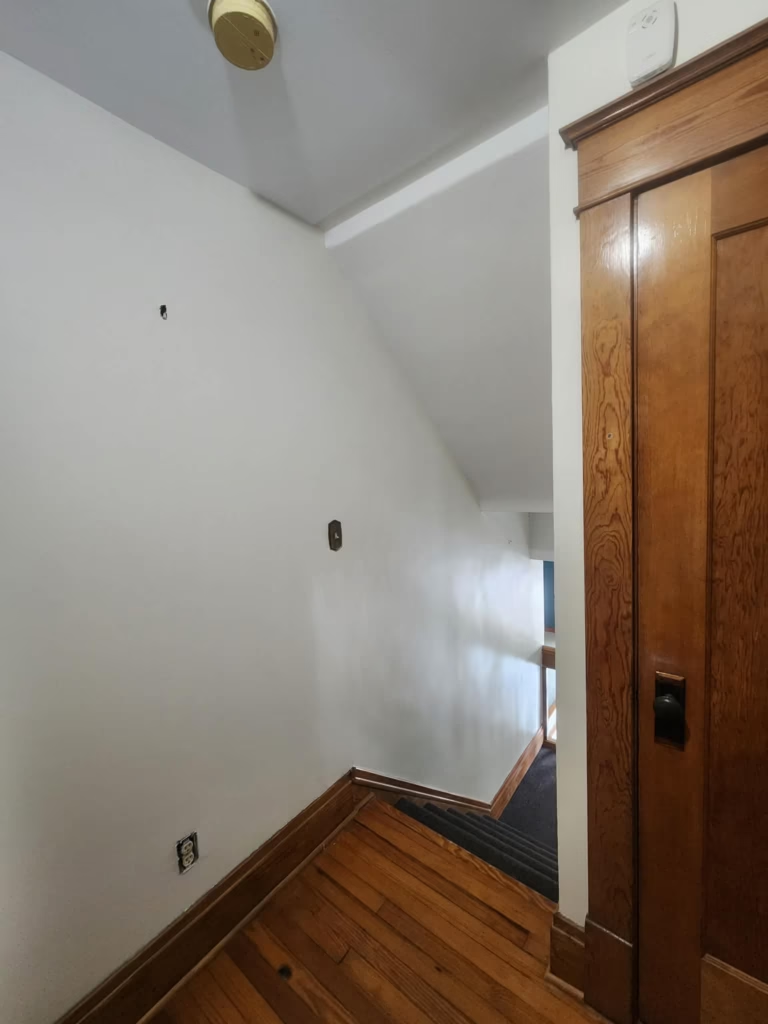
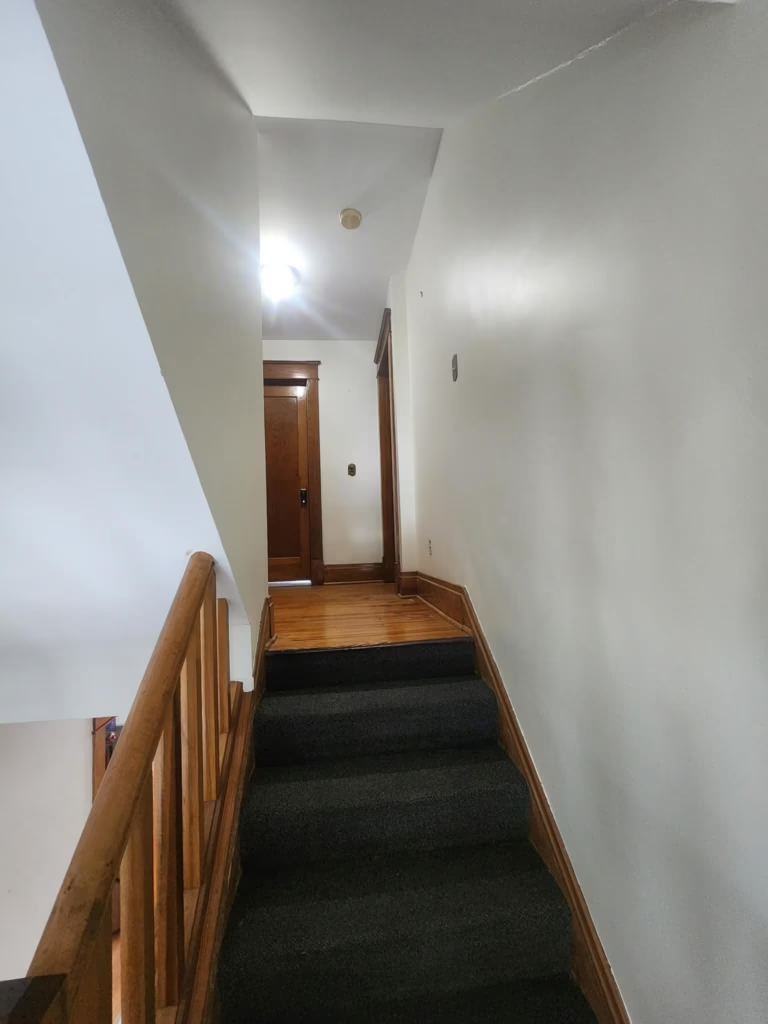
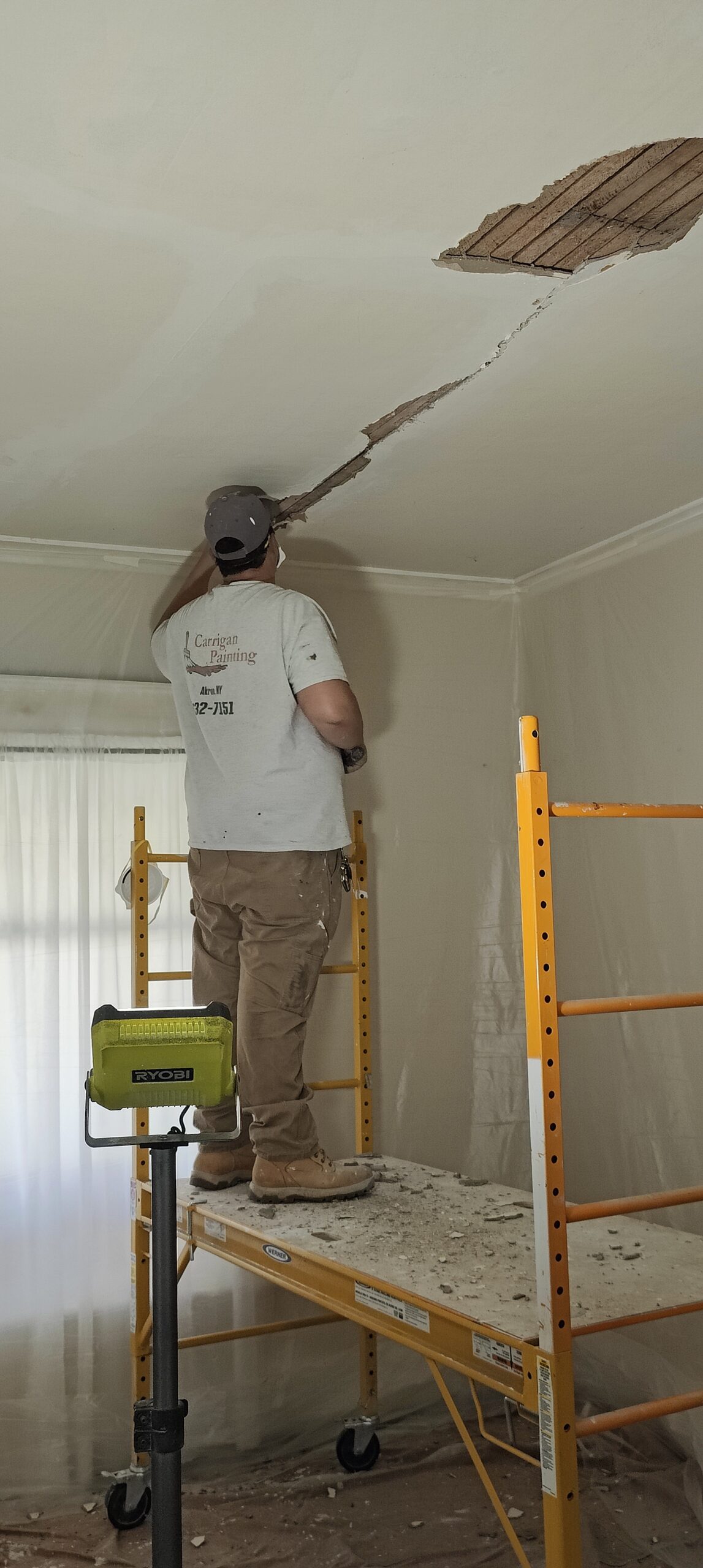
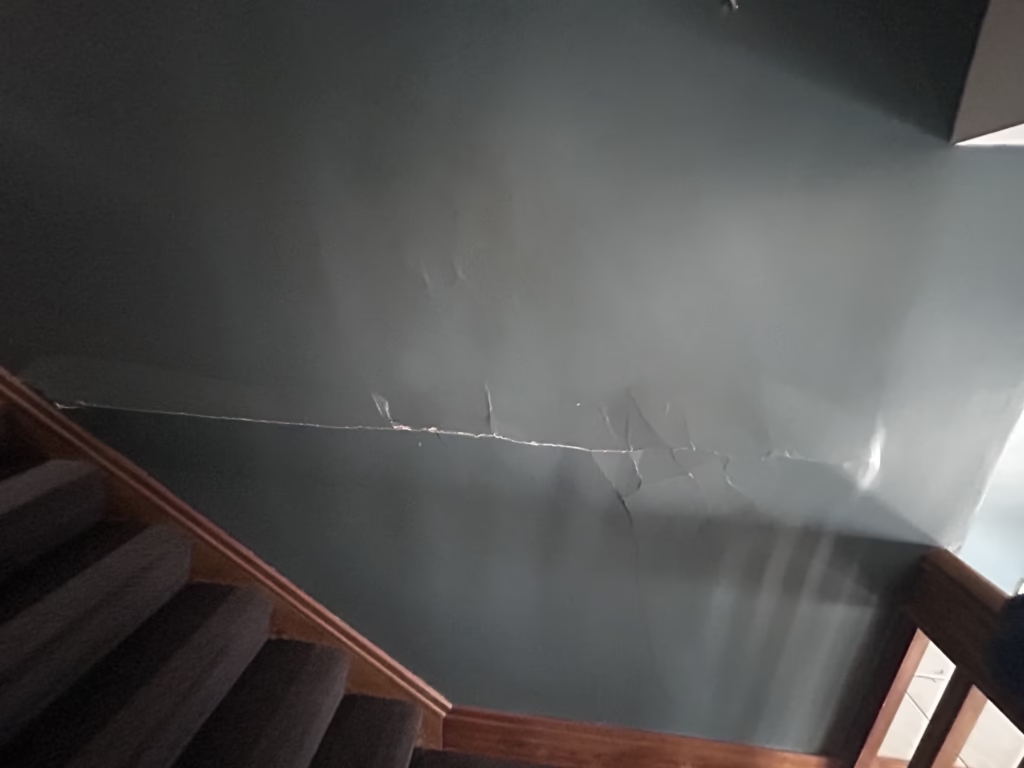
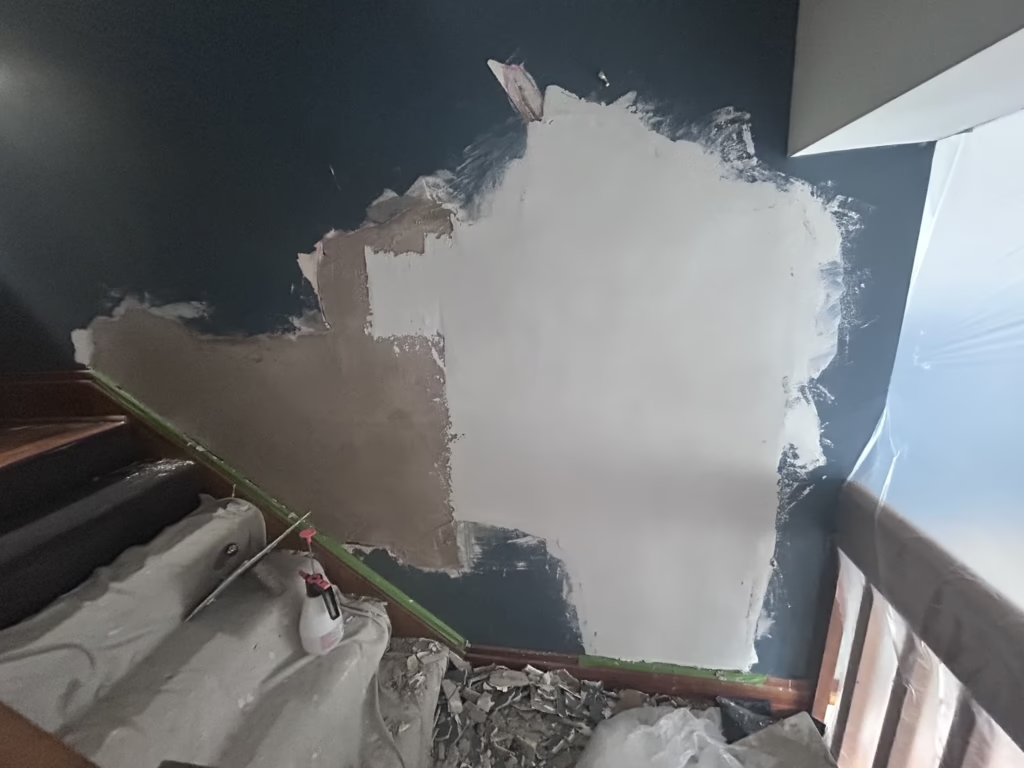
Today we started a project, involving a large plaster bulge on a wall in a hallway. A plaster bulge is caused by the plaster keys breaking off, and then gravity takes over, and slowly deforms the surface into a bulge., Its actually kind of neat how it happens since plaster is not pliable, at all.
In this case, the plaster was slowly sliding down the wall, which created this blistering effect. As the structural integrity of the plaster degraded, cracks began forming around it.
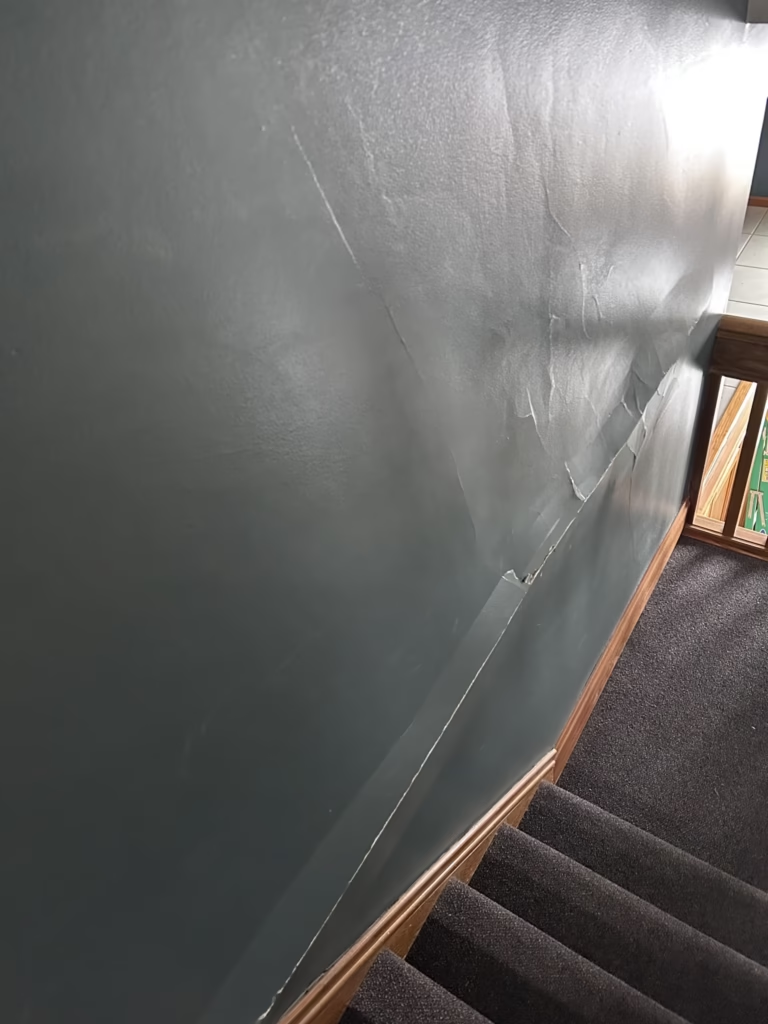
Over the years, some have attempted to “fix” it by adding drywall compound to it, the only way to repair a plaster bulge, is to cut it out, and start over. Or in this case, just remove the plaster by hand.
I wasn’t expecting this much plaster to come off, but no worries, totally fixable. But this is a good example of- when it comes to plaster damage, what you see isn’t always what you get. Once all the loose plaster was removed, we applied a bonding agent to the edges and the wood lath. Then we installed metal lath over the top of the wood lath. This creates a much stronger repair.
We do not remove the wood lath. Cutting out the wood lath to piece in drywall, will create a dead flat spot in a wavy wall, and stand out. While the patch can be floated out to simulate a plaster patch, a genuine plaster patch is superior to a drywall patch.
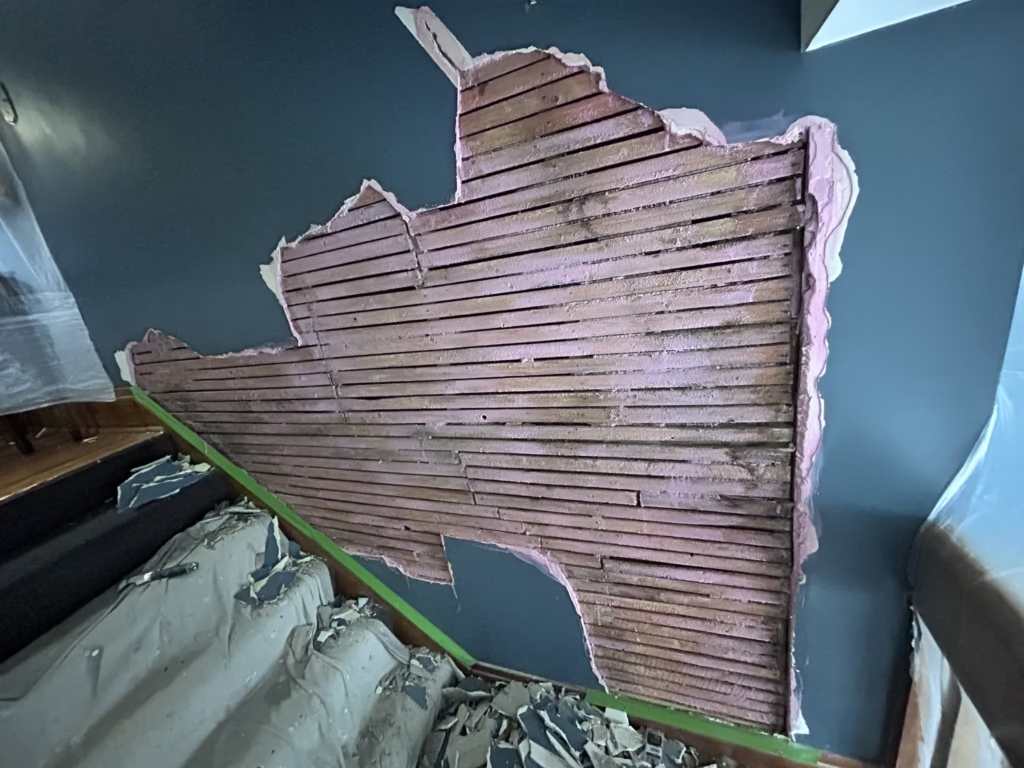
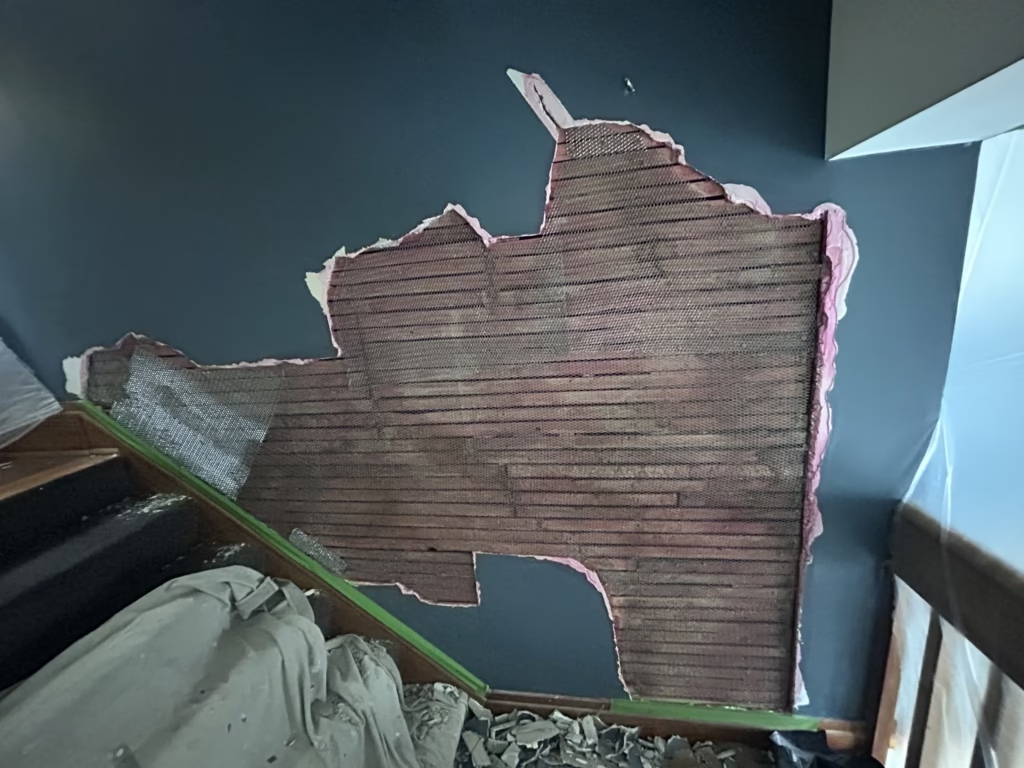
It is important to note, that we did not take a hatchet to this wall. It all came off with a 5in1 painter’s tool.
Day 2:
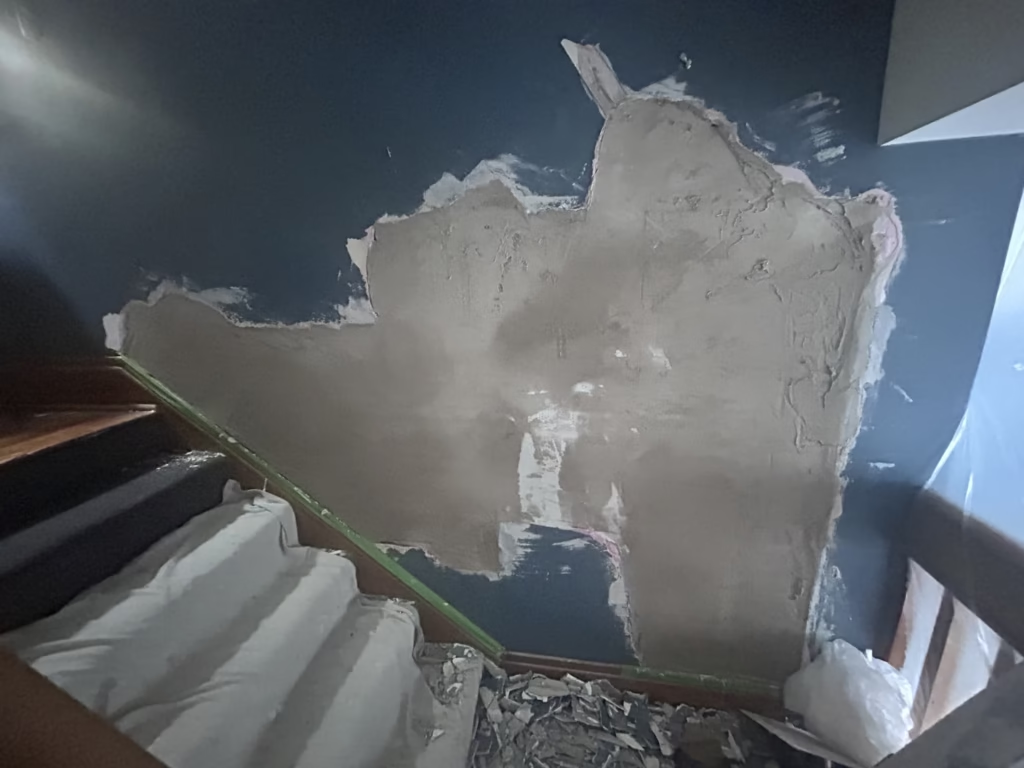
After applying the basecoat to the wall patch the day before, we began applying plaster finish to the patch. I personally find plaster a lot easier to work with over drywall compound because its not sticky. Working with lime based plaster finishes is like working with creamy butter. When doing large patches like this, its easier to do them in sections instead of attempting to finish the patch in one go.
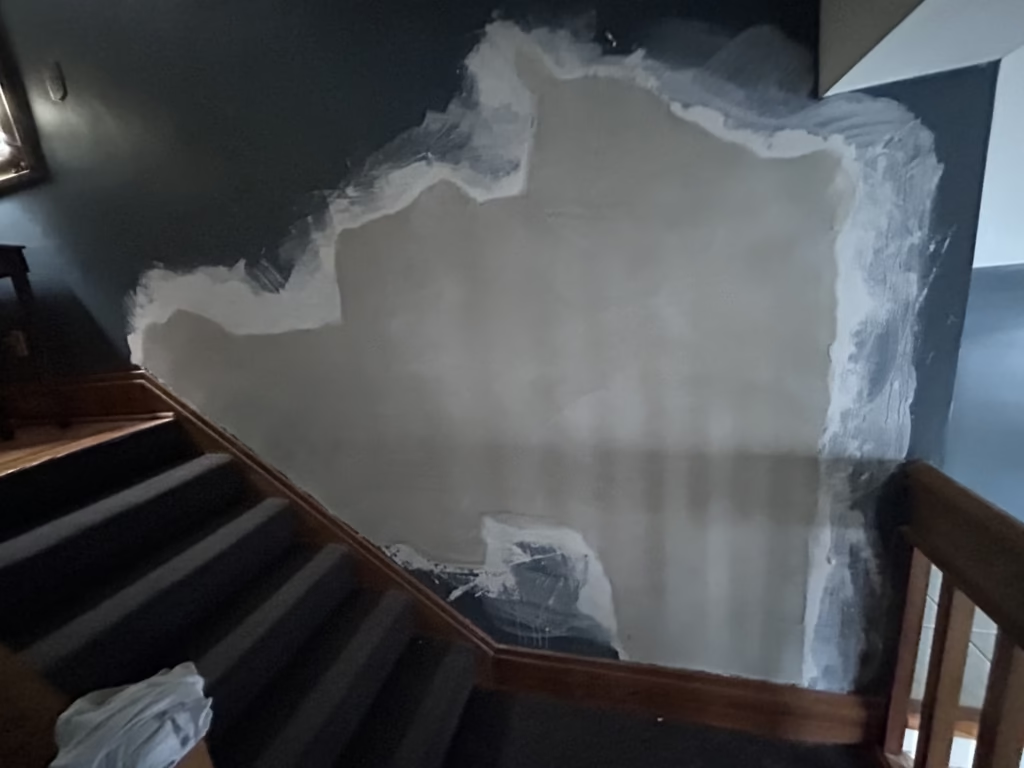
Take note that the plaster does not extend out onto the painted surface, the white ring is dried lime water. With plaster, you only apply material to the damaged areas, as plaster doesn’t shrink like drywall compound. You add water during the polishing to act as a lubricant, which leaves the white ring. We will clean it off before we paint.
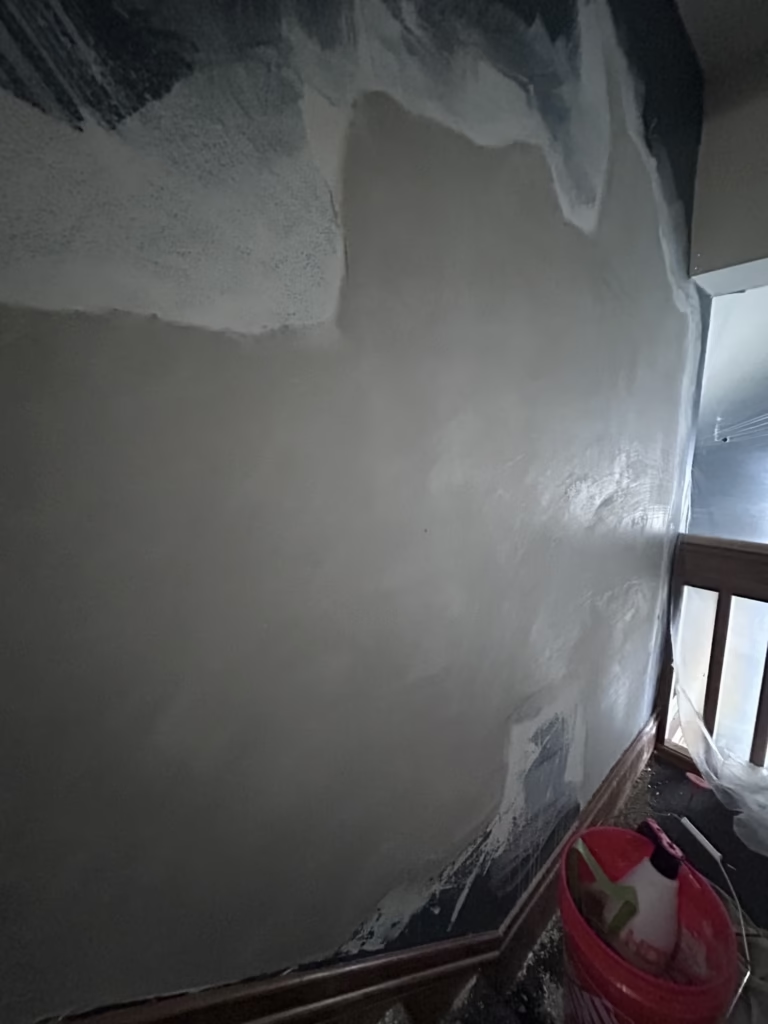
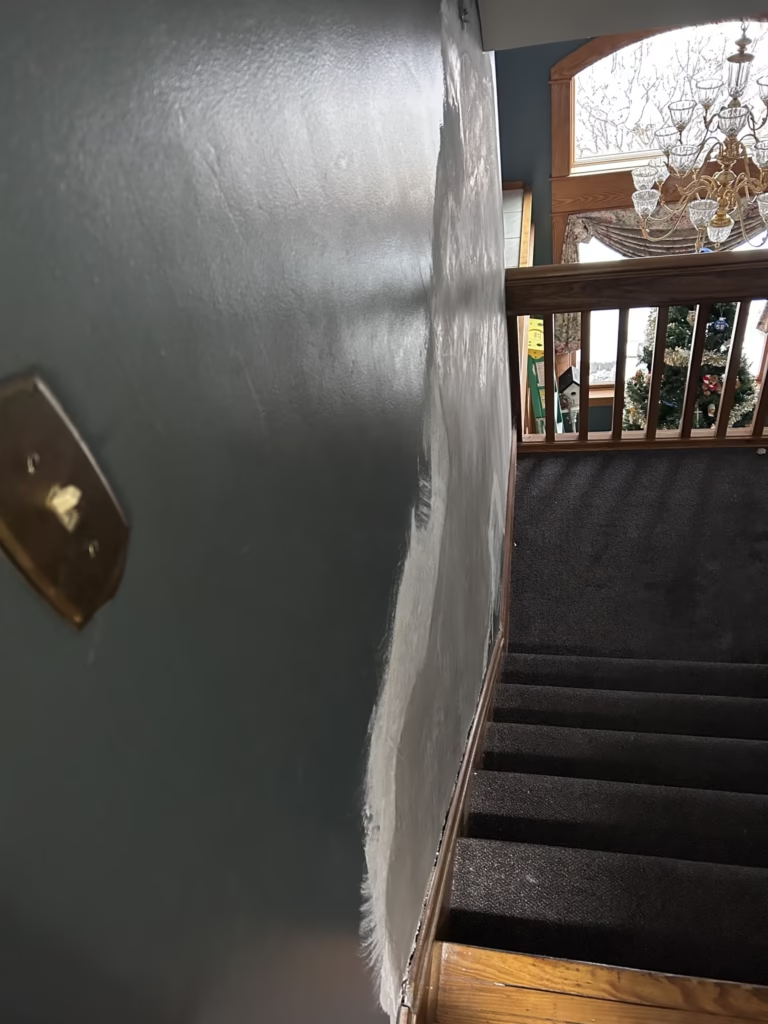
Now this large plaster patch has to dry for about a week. Then we will prime it with an oil base primer and then paint the hallway.
More to come!
2-5-2026:
Its been about two weeks since we finished the large plaster wall patch, and we have returned to finish the job. After priming the patch, and making our minor touch ups to our work, we applied 3 coats of paint to the walls and 2 coats of paint to the ceiling, in this hallway to complete the repair.